The Clock Is Working Against You: Mastering Bet Timing Before the Market Closes
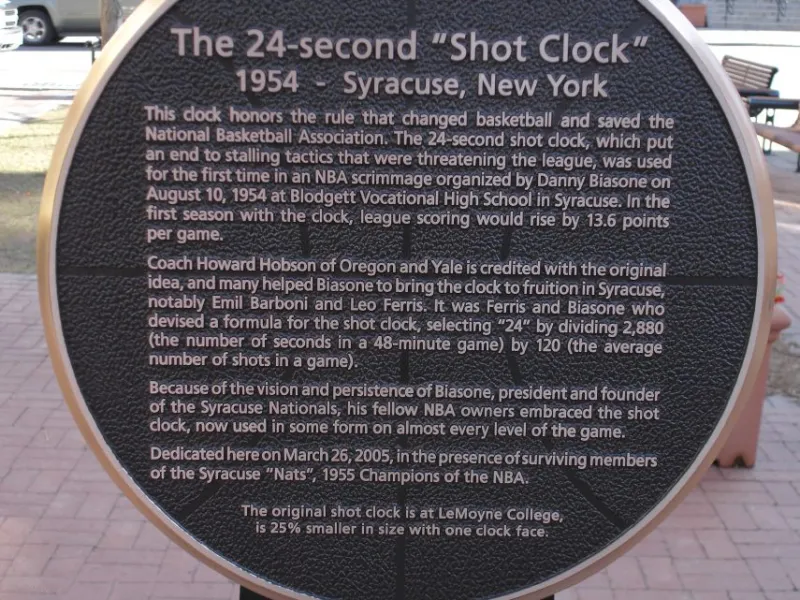
Photo: Unknown, CC BY-SA 2.5, via Wikimedia Commons
Let's say you've done the research. You've studied the matchup, checked the injury report, and you're convinced you've found a real edge. You fire off the bet Saturday morning, feel good about it — and then watch the line move two points in your direction by kickoff.
Congratulatins, you just got worse value than someone who bet the same side four hours later. Welcome to the brutal reality of bet timing.
In sports betting, when you bet is a variable that most recreational bettors completely ignore. That's a costly mistake.
What Closing Line Value Actually Means
If you've spent any time in serious betting circles, you've heard the term "closing line value," or CLV. It sounds technical, but the concept is straightforward: did you get a better number than what the line closed at?
If a spread opens at -3 and you bet it at -3, but it closes at -5 by game time, you beat the closing line by two points. That's CLV in your favor. Over hundreds of bets, consistently beating the closing line is one of the clearest signals that you're a sharp bettor — not just someone running hot.
Why does closing line matter so much? Because the closing price represents the most efficient, most informed version of the market. It reflects all the sharp money, all the injury news, all the public action — everything. If you consistently get better than that number, it means you're identifying value before the market does. That's the entire game.
The Early Bird Advantage (And When It Backfires)
For certain bet types, moving early is almost always the right call. NFL player props are a perfect example. Books release props on Tuesday or Wednesday, and the early lines are often set conservatively — books don't want to get torched before they have enough data to balance the market. Sharp bettors hammer the best numbers immediately, and by Thursday those props have already shifted.
Same goes for games with significant injury news. The moment a key player is ruled out — especially for a lower-profile game where the book might be slower to adjust — the smart money moves fast. Waiting even a few hours can mean the difference between getting +7 and getting +5.
But early betting isn't a universal win. There's a real downside: you're also absorbing more uncertainty. An injury that drops after you've already bet, a weather change that flips a total, a lineup scratch that reshapes the matchup — all of these can hurt you when you've committed early. It's a calculated trade-off, not a free lunch.
When Sharp Money Creates the Best Windows
Here's where it gets interesting for bettors who don't have access to proprietary data or sharp-side intel: you can follow the smart money by watching line movement patterns.
When a line moves against public betting percentages — meaning the majority of tickets are on one side, but the line moves the other way — that's a classic sharp-money signal. Books aren't moving lines to balance action; they're moving them because the money they're taking on the other side is credible.
These reverse line movement situations often create a window for recreational bettors to get on the right side. Not immediately — you want to wait until the move has happened and the line has settled into its new position. Jump too early and you're just guessing. Jump after the movement has played out and you're getting a corrected number that reflects real information.
For NFL games, the best windows tend to cluster in a few spots throughout the week:
- Tuesday/Wednesday: Optimal for props and totals before sharp action hits
- Thursday evening: After most of the week's sharp action has already moved lines
- Sunday morning, 2-3 hours before kickoff: When final injury designations are official but before the wave of recreational bettors floods the market
For NBA and NHL, the cycle is compressed — lines open the morning of the game and close within hours. That means timing decisions happen faster, and missing a window by even 90 minutes can cost you a full point.
The Psychological Trap: Urgency That Isn't Real
Here's the part nobody talks about: most bettors feel artificial urgency that has nothing to do with actual market dynamics. You see a game you like, and something in your brain says bet it now before the line moves.
Sometimes that instinct is right. But a lot of the time, it's just anxiety dressed up as strategy. Recreational bettors panic-bet lines that aren't going anywhere, locking in mediocre numbers on games where waiting 24 hours would have gotten them a better price.
This is pure betting psychology at work. The fear of missing out — FOMO, basically — pushes people into suboptimal timing decisions constantly. The fix isn't complicated, but it requires rewiring how you think about the process.
Before you place any bet, ask yourself: Is there a concrete reason to act right now? If the answer isn't "yes, because the line is likely to move against me based on expected news or sharp action," then slow down. Set a price target. Check back. The game will still be there.
Building a Timing Framework That Actually Works
You don't need a Bloomberg terminal to get better at timing. You need a simple framework and the discipline to use it.
Step 1: Know your sport's line-movement calendar. NFL lines move on a predictable weekly cycle. College basketball moves fast and often inefficiently. MLB totals shift dramatically with pitching news. Learn the rhythm of each sport you bet.
Step 2: Set price targets, not bet triggers. Instead of deciding to bet Team A, decide you'll bet Team A if you can get +6 or better. Then monitor. This removes impulse from the equation.
Step 3: Track your CLV religiously. After every bet, record the opening line, your line, and the closing line. Over time, you'll see patterns in when you're consistently getting good value — and when you're consistently getting bad numbers.
Step 4: Resist the Sunday morning scramble. The hour before kickoff is when casual bettors pile in, and books know it. Lines are often at their least favorable for recreational players right at game time. If you haven't found your number by then, sometimes the right move is to skip the game entirely.
The Bottom Line
The sports betting market is essentially a financial market — prices are constantly adjusting to new information, and the traders who understand timing make more money than those who don't. You don't have to be a quant to take advantage of this. You just have to stop treating bet timing like an afterthought.
The clock is always running. Make sure it's working for you.