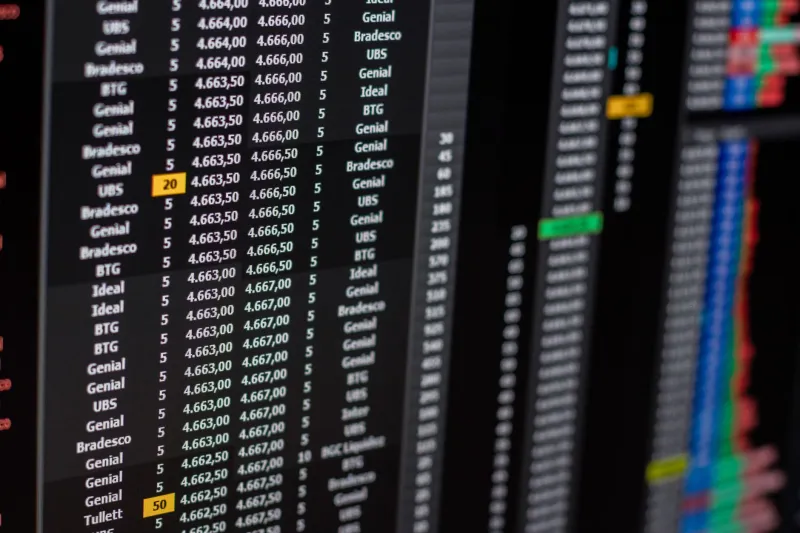
When the Line Moves the Wrong Way: Decoding the Reverse Line Move Signal
The Contradiction That Pays
Imagine the Kansas City Chiefs are playing on Sunday Night Football. By Saturday afternoon, 72% of the betting tickets are sitting on Kansas City. Common sense says the sportsbook should shade the line toward the Chiefs — make them a little pricier to balance the action. Instead, the number moves the other way. KC opens at -6.5 and quietly ticks down to -5.5 by kickoff.
That's a reverse line move. And if you've been betting seriously for more than a season, you've probably heard someone whisper about it like it's the Rosetta Stone of sports wagering.
The reality? It's genuinely useful — but only when you understand what it actually means, when it applies, and when it's just noise dressed up in a sharp suit.
What's Actually Happening Under the Hood
Sportsbooks don't move lines just because a lot of people bet one side. They move lines because of money — specifically, the kind of money that makes them nervous.
Recreational bettors flood in on popular teams, big favorites, and nationally televised games. Books expect this. They've built their pricing model around it. So when 70% of tickets are on the Chiefs and the line still drops, it tells you that the remaining 30% of action — the side the public is ignoring — is carrying significantly heavier dollar volume. That's typically where sharp money lives.
Professional bettors, syndicates, and well-capitalized handicapping groups tend to bet in large single wagers rather than a flood of small tickets. One $50,000 bet from a respected sharp account will move a line faster than 500 recreational bettors each dropping $100 on the other side. The book sees that action, respects the source, and adjusts accordingly.
That's the basic mechanical reality behind a reverse line move. The number tells you something the ticket count doesn't.
When It Actually Works
Not all reverse moves are created equal. Before you start fading the public every time a line twitches, you need to understand the conditions that make this signal meaningful.
The move needs to be significant. A half-point shift on a spread that opened at -7 might just be house adjustment or a single large recreational bet. You're looking for full-point moves or more, ideally happening in a compressed window before the market tightens up near game time.
The public lean has to be real and lopsided. A 55/45 ticket split with a line move in the opposite direction isn't much of a signal. When you're seeing 65%, 70%, or higher going one way and the line still moves against it? Now you're talking. The bigger the gap between public action and line direction, the louder the signal.
The timing matters. Early-week line movement often reflects sharp action because the recreational money hasn't fully hit yet. A reverse move that happens Monday or Tuesday following a Sunday open carries more weight than one that surfaces Saturday evening when the books are managing liability across a crowded board.
The sport and market matter too. NFL and college football reverse moves tend to be the most reliable because those markets are the most heavily bet and most efficiently priced. You'll find the signal noisier in lower-volume markets like college basketball mid-majors or niche props, where a single large bet can move a line without any particular analytical backing behind it.
When It's a Statistical Mirage
Here's where a lot of bettors get burned — they treat the reverse line move like a guaranteed treasure map. It isn't.
Sometimes books move lines for reasons that have nothing to do with sharp action. Injury news that breaks quietly can shift a number before the public catches on. Weather changes for outdoor games affect totals in ways that don't show up in ticket counts. And occasionally, books simply shade lines to attract action on an underexposed side for liability management purposes — not because any sharp has touched it.
There's also the steam-chasing problem. When a sharp move hits one book, other books quickly follow to avoid getting scalped. By the time you're seeing the reverse move on your app, the value that triggered it may already be gone. You're essentially reading yesterday's newspaper and making today's trade.
Finally, the reverse line move tells you where sharp money went — it doesn't tell you why. Sharps are good, not infallible. They lose games too. Using a reverse move as your only filter is like reading one chapter of a book and claiming you know the whole story.
Building a Smarter Filter
The bettors who use reverse line moves profitably aren't just watching for the signal in isolation. They're stacking it with other confirming information.
Start with your own independent analysis. If you've already done the work and landed on the same side as the apparent sharp action, the reverse move becomes a confidence booster rather than your entire rationale. That's a fundamentally different — and much stronger — position to be in.
Cross-reference across multiple sportsbooks. A genuine sharp move tends to ripple through the market. If the line is moving the same direction at DraftKings, FanDuel, and BetMGM simultaneously, that's a more credible signal than a move isolated to a single book.
Pay attention to the closing line. The closing number is the most efficient price in the market — the one that's absorbed the most information. If you're betting into a reverse move and the line continues drifting your direction toward close, you've likely caught something real. If it snaps back, you may have been chasing noise.
The Bigger Picture
Reverse line moves are one of the few publicly observable windows into how sportsbooks actually respond to sharp action. They're not magic, and they're not a shortcut — but they're a legitimate piece of the analytical puzzle.
The mistake most bettors make is turning a useful signal into a rigid system. They hear "sharp money moved the line" and flip off their brains. But the whole point of paying attention to market mechanics is to add information to your process, not replace it.
When a reverse move confirms what your own research already suggests, act with confidence. When it contradicts everything you've seen in the numbers, slow down and dig deeper rather than assuming the sharps are automatically right.
The books set these lines for a reason. The sharps move them for a reason. Your job is to understand both sides of that conversation — and find the spots where you can still get the better of it.