Reading the Sky: Why Wind, Cold, and Rain Are Free Money for Bettors Who Pay Attention
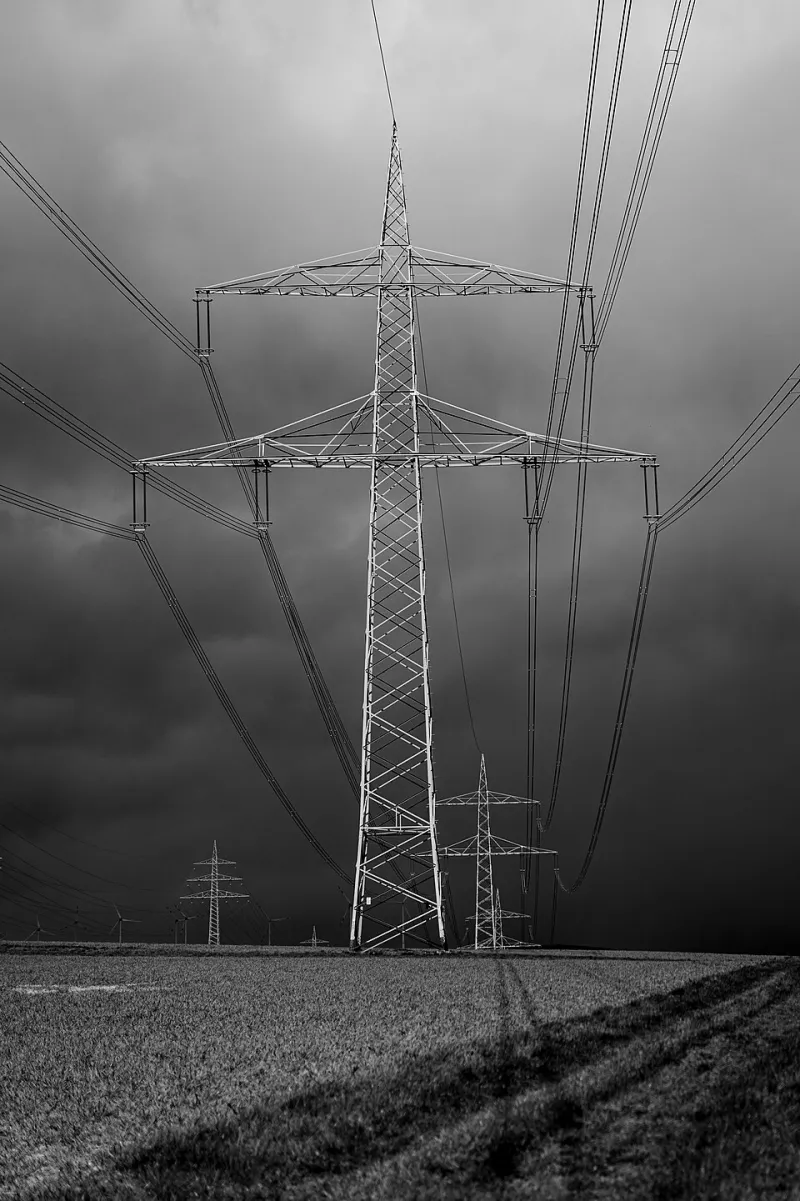
Photo: th_norge, CC BY 4.0, via Wikimedia Commons
You spent three hours studying injuries, film, and pacing stats. Then you placed your NFL total without once checking whether 25-mph gusts were rolling into the stadium.
Happens every single weekend. And it's one of the most fixable leaks in sports betting.
Weather is the rare variable that's publicly available, verifiable, and routinely ignored by the recreational betting public. Books price it in — but not always perfectly, and not always quickly. Here's how to stop letting the forecast be someone else's edge.
Wind Is the King of Over unders
If you learn one weather rule, make it this: wind affects the passing game and the kicking game far more than it affects scoring in a linear way.
Sustained winds above roughly 15 mph start to compress offensive playbooks. Deep passing shots get shelved. Field goal accuracy — especially on long attempts — falls off a cliff. Kickers fighting crosswind at places like Soldier Field or FirstEnergy-adjacent lake-effect stadiums know this better than anyone.
The betting implication: strong wind suppresses scoring, but the public often overbets the under once the forecast becomes a storyline. By Sunday morning, the number has already dropped from 44 to 41.5, and the value has evaporated.
The real edge isn't betting the under late. It's catching the total before the forecast goes mainstream — Thursday and Friday, when a gusty Sunday forecast is sitting in the data but hasn't hit every talking show yet.
Cold Changes the Game — Just Not How You Think
Everyone assumes cold weather means low scoring. The data says it's more nuanced.
Extreme cold (think single digits, Green Bay in January) does suppress offenses — ball security suffers, receivers struggle to separate, kickers lose feel. But moderately cold games? The effect is modest, and books already price it.
What cold does reliably do is affect totals in the second half and affect specific bet types: long field goal props, over unders on team totals, and fourth-quarter scoring in close games. If you're betting game totals alone, you're using a blunt instrument on a precise problem.
MLB: The Park Is the Weather
Baseball might be where weather analysis pays best, because the variables are so measurable.
- Wind blowing out at hitter-friendly parks like Great American Ball Park or Yankee Stadium can add real value to overs on a warm summer night.
- Heavy air and humidity actually help the ball carry — counterintuitive, but fly balls travel farther in humid conditions.
- Coors Field is its own economy. Everyone knows it, so the raw total is always high. The edge isn't betting Coors overs; it's recognizing when the market has overcorrected on a pitcher-friendly day in Denver.
- Rain delays matter for starting pitcher props and bullpen usage — a shortened start changes leverage patterns that most bettors never model.
The Simple Framework: Signal or Noise?
Not every forecast deserves a bet. Ask three questions:
1. How far out is the forecast? A Sunday forecast read on Wednesday is a coin flip. Weather confidence collapses beyond 48 hours. Only act on forecasts you'd trust for a cookout.
2. Is the number already priced? Check the line movement. If a total dropped two points since open and the weather story broke before that move, you're late. If the total hasn't budged despite a clear forecast shift, you might be early — and early is where the money is.
3. Does the weather change a specific bet, not just the game? Wind that kills long field goals is a kicker prop angle. Cold that deepens bullpen usage is a late-inning scoring angle. The sharper your question, the sharper your bet.
Bottom Line
Weather won't make you a winner on its own. But ignoring it means giving up a measurable, checkable variable that your competition forgets exists. Five minutes with a forecast before you bet — early in the week, before the story goes public — is one of the cheapest edges available anywhere on the board.